Notes

Important Nutritional Considerations in Different Stages of Life

https://www.unicef.org/parenting/sites/unicef. org.parenting/files/styles/ hero_desktop/public/ AdobeStock_ 166161324.jpeg?itok=w6XMDzoD

To develop their optimal potential it is vital that children are provided with nutritionally sound diet. Diet and exercise pattern during childhood and adolescence may spell the difference between health and risk of disease in later years. Different stages of life cycle dictates different nutrients needs.
Important nutritional considerations in first stage of life:
In first 12 months of life a baby will triple its weight and increase its length 50 %. These gain in weight and height are the primary indices of nutritional status and their accurate measure at regular intervals are compared with standard growth charts. These measurements are important tools for monitoring a child’s progress particularly during the first 6 to 12 months of life. Read more

Healthy Eating Habits for Adults

https://www.unlockfood.ca/EatRightOntario /media/Website-images-resized/Healthy- Eating-Checklist-resized.jpg

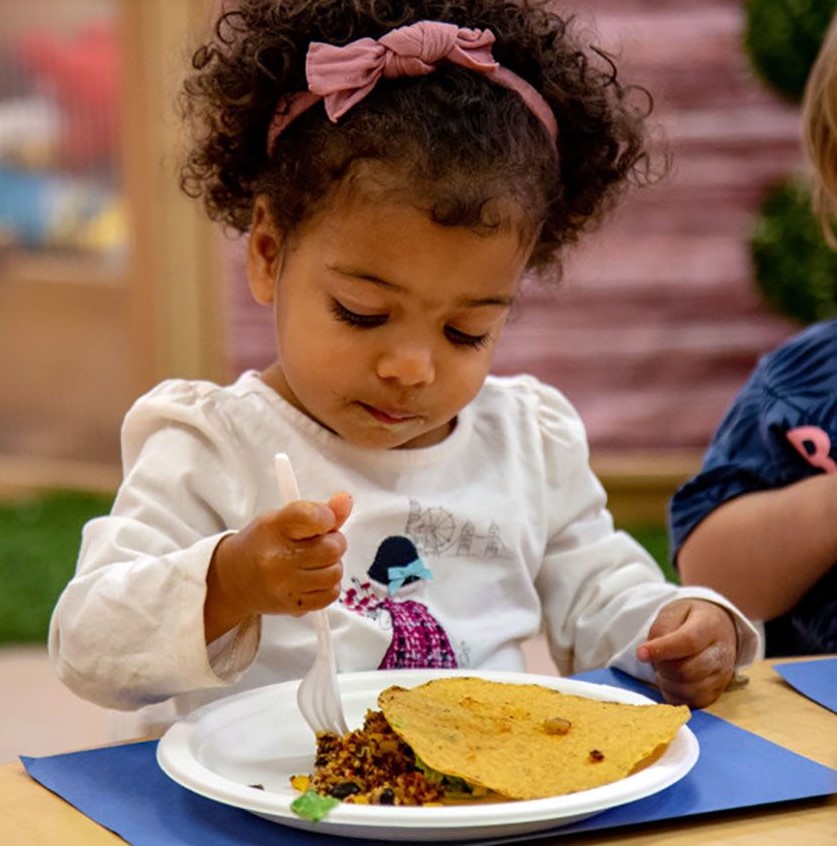
Healthy eating and healthful way of life are important to how we look, feel and how much we enjoy life. The right lifestyle decisions with good food and good regular exercise can help us make the most of what life has to offer. Making smart food choices early in life and through adulthood can also help reduce risk of obesity, hypertension, diabetes, certain cancers and osteoporosis. Following are the healthy eating habits for adults.
1. Enjoy wide variety of food: This concept it is the most consistent health message in dietary recommendations around the world. We need more than 40 different nutrients for good health and no single food can supply them all. That is why consumption of a wide variety of foods (including fruits, vegetables, cereal grains, meat, fish, poultry, dairy products, fats and oil) is necessary for good health and any food can be enjoyed as part of a healthy diet. Some studies have linked dietary variety with longevity. In any event, choosing a variety of foods adds to the enjoyment of meals and snacks. Read more

Healthy Eating Habits for Children and Adolescents

https://www.brighthorizons.com/-/media/BH-New/ENews-Images/Widen-181106-B2C-5403-healthy-eating-guide-1155×867.ashx

1. Enjoy your food: try to enjoy lots of different food every day for variety and enjoyment. Share food with family and friends.
2. Breakfast is very important meal: your body needs energy after long sleep so breakfast is important. Food that are high in carbohydrate such as bread, cereals, fruits make good breakfast choices. Skipping meals especially breakfast can lead to out of control hunger, often resulting in helpless over eating. Skipping breakfast can also cause lack of concentration for school-work.
3. Eat lots of different food: a variety of different food every day is the secret for good health. You need 40 different vitamins and minerals for good health and no one food can supply all of them. There are no ‘good’ or ‘bad’ food so you don’t need to miss the food you enjoy.
4. Base your food choices on carbohydrate: these food provide needed energy, vitamins and minerals. Food that are high in carbohydrate include pasta, breads, cereals, fruits and vegetables. Try to include some of these food in every meal as more than half of the calories in your diet should come from them. Read more

Culture and Culture Media

Pure culture: A culture that contains only one kind of microorganism is called a pure culture. A culture which contains more than one kind of microorganism is called a mixed culture. A pure culture has only a single type of colony. Pure cultures are essential in order to study colony characteristics, biochemical properties, morphology, staining reaction, immunological reaction or susceptibility towards antimicrobial agents of particular strain of fungus, bacteria or actinomyces. Read more

Sieve Analysis

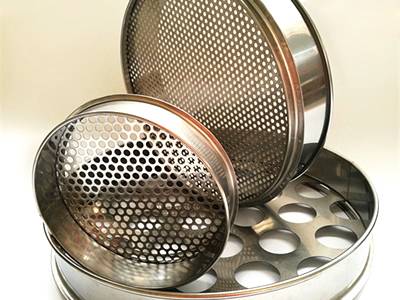
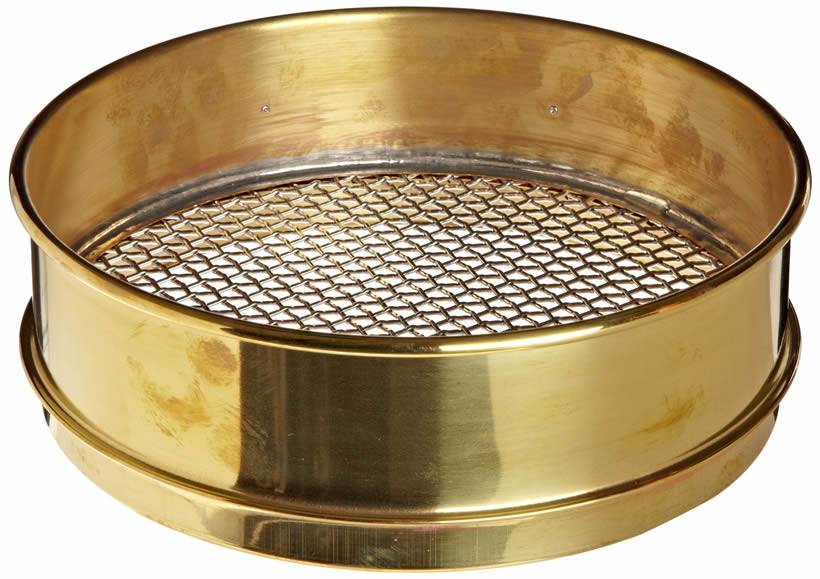
Sieving is a unit operation in which mixture of various sizes of solid particle is separated into two or more fractions by passing over screen. It is applied in industry to determine shape and size of any samples. Sieve analysis has two main objectives.
a. To find out shape of material
b. To find out size of material
In general, there are two types of sieves.
1. Wire woven sieve
2. Perforated sieve


Read more

Theory of Size Reduction

Size reduction is the process of breaking down solid particle to smaller one. When energy is applied in the form of a stress on a material, it breaks into two or more pieces resulting in generation of new surface area. Energy is used to break or overcome the intramolecular forces of the solid particles so that they are broken into pieces and new area is created. Size reduction is also known as comminution in engineering literature. Size reduction is commonly used in food industries with many purposes. some of the purposes are given below. Read more